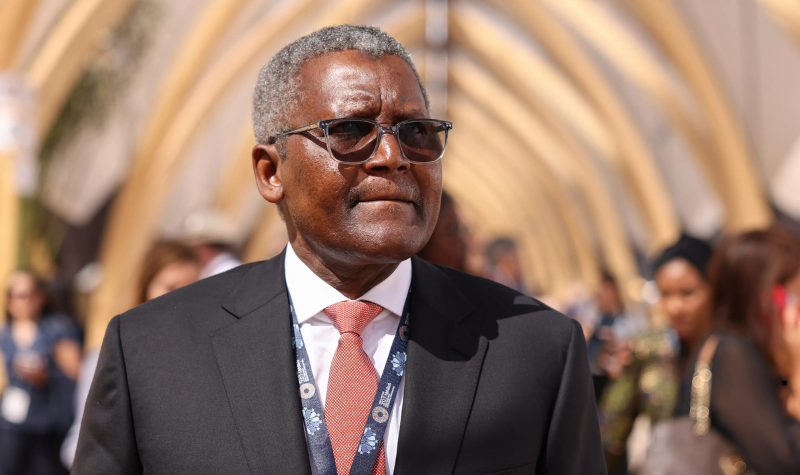

Nigerian business magnate Aliko Dangote has promoted two of his daughters into senior leadership positions within the Dangote Group, marking a significant step in the company’s long-term succession strategy.
As reported by Black Enterprise, the appointments reflect a deliberate effort to prepare the next generation for greater executive responsibility inside one of Africa’s most powerful industrial conglomerates.
A Generational Transition Within Africa’s Largest Conglomerate
Founded in 1981, the Dangote Group has grown into a multi-billion-dollar enterprise with operations spanning cement, sugar, fertilizer, and oil refining. The company’s footprint extends across several African countries, positioning it as a key player in infrastructure and industrial development throughout the continent.
With the recent launch of the Dangote Refinery—one of the largest in the world—the company has entered a new phase of expansion. Leadership continuity at this stage is critical, and the elevation of Dangote’s daughters signals structured preparation for long-term stability.
Leadership Development Over Symbolism
Rather than symbolic appointments, the promotions indicate active leadership grooming within operational divisions of the business. In global family-owned enterprises, succession planning often begins years before any official transition, allowing future leaders to gain hands-on experience inside complex systems.
This approach reinforces investor confidence and institutional credibility, especially in emerging markets where leadership transitions can influence broader economic stability.
The move underscores a broader commitment to generational continuity within one of Africa’s most influential business empires.
Why This Matters for Black-Owned Enterprise
For Black communities worldwide, this development represents more than a corporate reshuffle. It highlights the importance of ownership preservation, structured wealth transfer, and building institutions that outlast their founders.
While many Black-owned businesses operate at small-to-mid scale, the Dangote model offers a high-level example of how capital, governance, and succession planning intersect to sustain multi-generational wealth.
As African markets continue to attract global investment and industrial growth accelerates, leadership shifts within companies like the Dangote Group carry economic and symbolic weight far beyond a single promotion announcement.