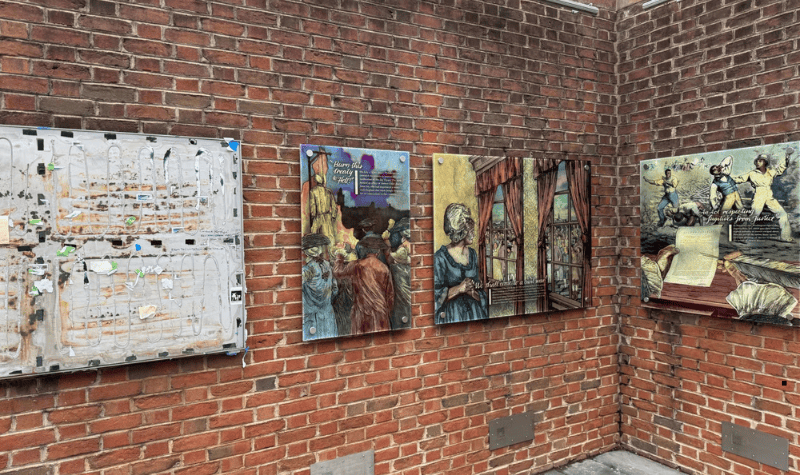

A federal appeals court has ruled that a lawsuit connected to a slavery-focused museum exhibit can move forward, rejecting an effort by former President Donald Trump to dismiss the case. The decision marks the latest development in an ongoing legal dispute involving historical representation and presidential authority.
According to reporting from the Associated Press, the case centers on a slavery exhibit and whether actions taken during Trump’s presidency violated legal protections. The appellate ruling does not determine the final outcome of the case but allows it to proceed in lower court.
The Legal Background
The dispute stems from actions taken while Trump was in office between 2017 and 2021. Plaintiffs argue that certain decisions connected to the exhibit infringed on legal or constitutional safeguards. Trump’s legal team sought to have the case dismissed, asserting protections tied to presidential authority.
The appeals court disagreed with that dismissal effort, determining that the claims deserve further judicial review. The ruling underscores ongoing debates about the scope of executive power and accountability after leaving office.
Why Historical Exhibits Matter
Exhibits addressing slavery and America’s racial history often serve as educational tools that shape public understanding of the nation’s past. Legal disputes surrounding such exhibits highlight broader tensions over how history is presented, interpreted, and protected.
In recent years, conversations about historical memory, racial justice, and institutional accountability have intensified across the United States. Court decisions connected to these issues can influence how cultural and historical institutions operate.
What Happens Next
With the appeals court allowing the lawsuit to move forward, the case will return to a lower court for further proceedings. The ruling does not resolve the merits of the claims but signals that the legal questions raised warrant examination.
As the case progresses, it may contribute to ongoing national discussions about executive authority, historical representation, and the legal boundaries surrounding presidential actions.