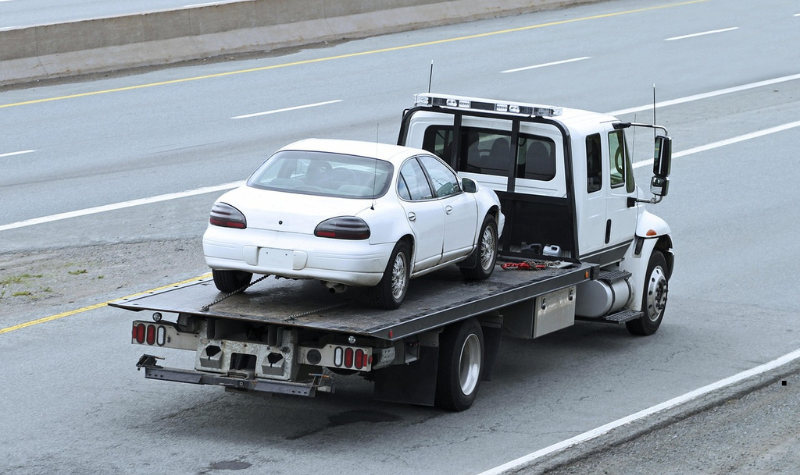

A Chicago-area towing company will pay restitution after an investigation found that Black drivers were disproportionately targeted with vehicle booting during the COVID-19 pandemic. The case adds to ongoing conversations about predatory enforcement practices that have long impacted Black communities.
According to NewsOne’s reporting, the company was accused of unfairly targeting Black motorists for booting — a practice where devices are attached to vehicles to prevent movement until fines are paid. The investigation concluded that Black drivers were significantly more likely to be booted compared to others during the height of the pandemic.
Disparities During a Time of Crisis
The alleged targeting occurred during the COVID-19 pandemic, a period between 2020 and 2022 when many families were already facing economic instability, job loss, and health crises. For households struggling to stay afloat, the additional burden of booting fees and towing charges compounded financial hardship.
Civil rights advocates have long argued that aggressive towing and booting practices function as a regressive revenue system, disproportionately affecting Black and low-income communities. In this case, data reportedly showed racial disparities that prompted legal scrutiny and enforcement action.
Restitution and Accountability
As part of the resolution, the towing company has agreed to compensate impacted Black drivers. While specific payout totals were not detailed in early coverage, the agreement signals formal acknowledgment of discriminatory impact.
The investigation found that Black drivers were significantly more likely to have their vehicles booted during the pandemic period.
Consumer protection officials emphasized that enforcement tools such as booting must be applied fairly and without bias. Discriminatory application of such practices not only undermines public trust but also deepens systemic inequities.
Why This Case Matters
The case underscores a broader issue: economic penalties and municipal enforcement mechanisms often fall hardest on Black communities. Vehicle access is directly tied to employment, childcare, healthcare access, and overall economic mobility. Losing access to transportation — even temporarily — can have cascading effects on a family’s financial stability.
Historically, predatory fines and fee structures have been documented in multiple U.S. cities, raising questions about whether revenue generation sometimes outweighs equity considerations. This resolution represents a step toward accountability, but advocates say systemic reform requires deeper oversight and transparency.
As cities continue evaluating enforcement policies post-pandemic, this case serves as a reminder that fairness in implementation matters just as much as the laws themselves.