
Jazz is a musical genre that was born in the African American communities of New Orleans in the late 19th and early 20th centuries. It has since become a cultural phenomenon that has influenced music across the globe. Throughout jazz’s history, there have been many influential musicians who have contributed to its evolution. In this article, we will take a look at seven Black jazz musicians who revolutionized the genre and left their mark on the world of music.
7 Black Jazz Musicians That Revolutionized The Genre
1. Louis Armstrong
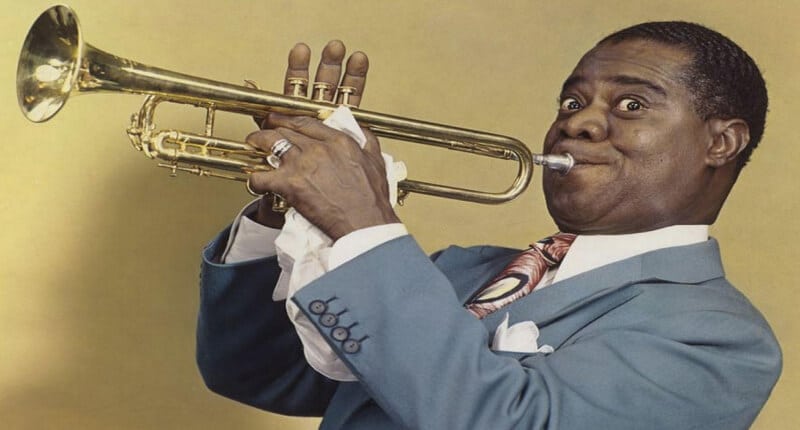
Louis Armstrong, also known as Satchmo, was one of the most influential jazz musicians of all time. Born in New Orleans in 1901, Armstrong started playing the cornet at a young age and eventually became one of the most popular trumpet players in the world. His unique style of improvisation and his ability to play with emotion and soul helped to transform jazz into a sophisticated and complex art form. He was also a gifted vocalist, and his distinctive voice helped to popularize jazz music among mainstream audiences.
2. Duke Ellington
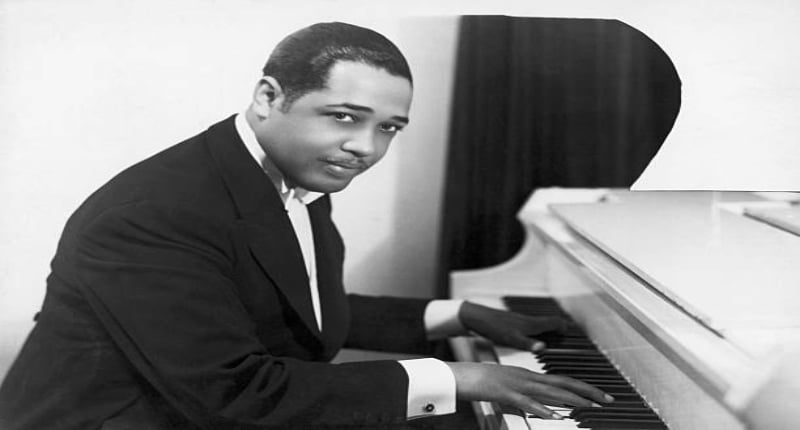
Duke Ellington was a pianist, bandleader, and composer who was one of the most significant figures in jazz history. Born in Washington D.C. in 1899, Ellington was a prolific composer who wrote over 1,000 pieces of music during his career. He was also known for his innovative arrangements and his ability to blend different musical styles to create a unique sound. Ellington’s orchestra was one of the most successful and influential in jazz history, and he helped to popularize jazz music in the United States and around the world.
3. Charlie Parker
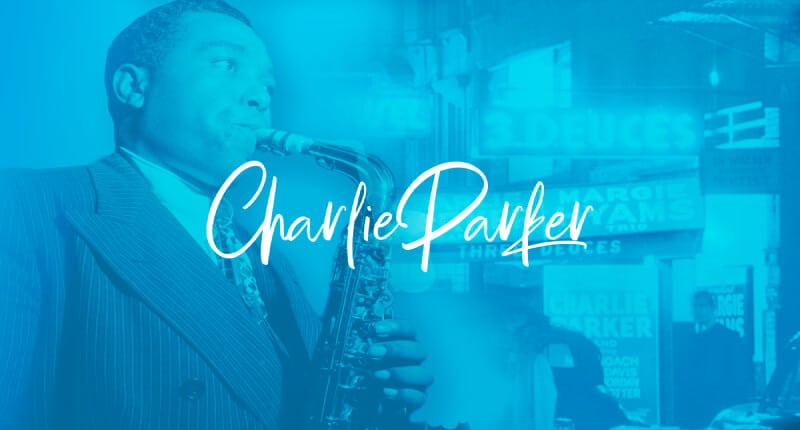
Charlie Parker, also known as Bird, was a saxophonist and composer who was one of the pioneers of bebop, a new style of jazz that emerged in the 1940s. Parker’s innovative approach to improvisation and his mastery of the saxophone helped to transform jazz into a more complex and sophisticated art form. He was also a prolific composer who wrote many of the standards of the bebop era, including “Confirmation,” “Ornithology,” and “Anthropology.”
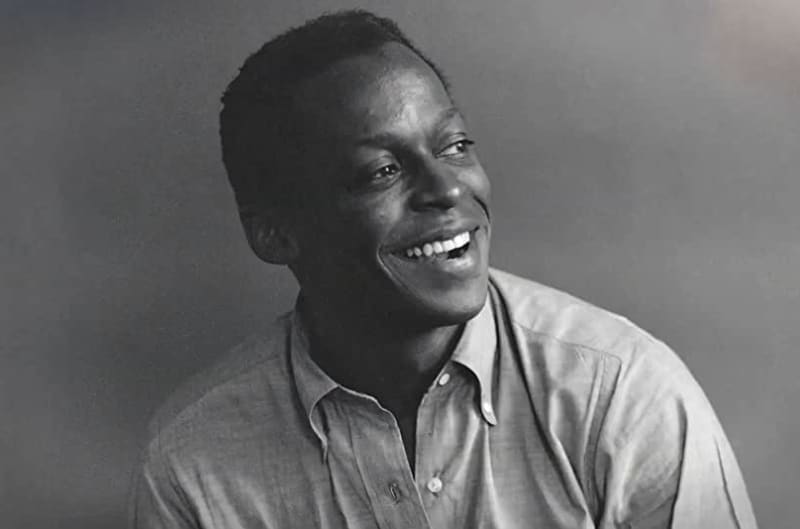
4. Miles Davis
Miles Davis was a trumpeter, bandleader, and composer who was one of the most influential figures in jazz history. Born in Illinois in 1926, Davis started his career playing bebop but later became known for his experiments with modal jazz, fusion, and other new styles. Davis was a master of improvisation and was known for his distinctive tone and phrasing. He also helped to launch the careers of many other jazz musicians, including John Coltrane and Herbie Hancock.
5. Thelonious Monk
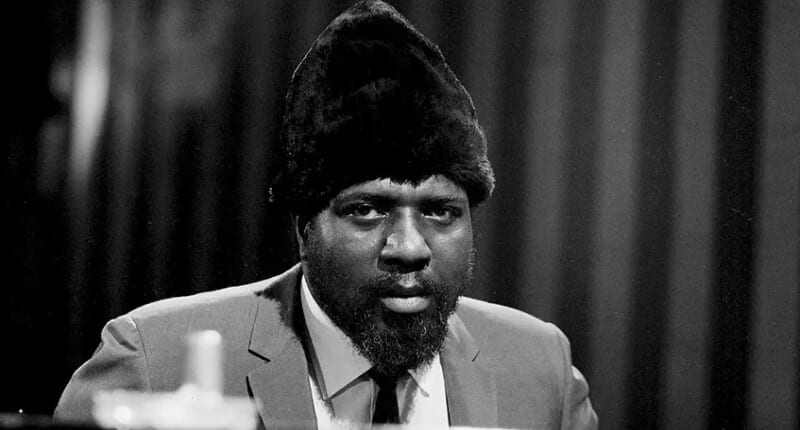
Thelonious Monk was a pianist and composer who was one of the most innovative figures in jazz history. Born in North Carolina in 1917, Monk was known for his unique approach to harmony and rhythm. He was also a prolific composer who wrote many of the standards of the bebop era, including “Round Midnight,” “Blue Monk,” and “Straight, No Chaser.” Monk’s influence on jazz can still be felt today, and his music continues to inspire new generations of musicians.
6. Ella Fitzgerald
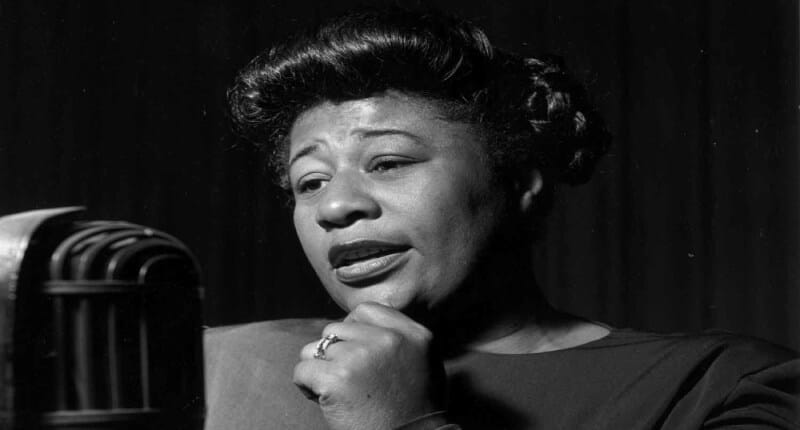
Ella Fitzgerald was a vocalist who was one of the most popular and influential jazz singers of all time. Born in Virginia in 1917, Fitzgerald had a distinctive voice that was characterized by its range, clarity, and sweetness. She was also a gifted improviser who could scat with the best of them. Fitzgerald’s recordings with bandleader Chick Webb helped to popularize swing music in the 1930s, and she went on to become one of the most successful female jazz singers of all time.
7. John Coltrane
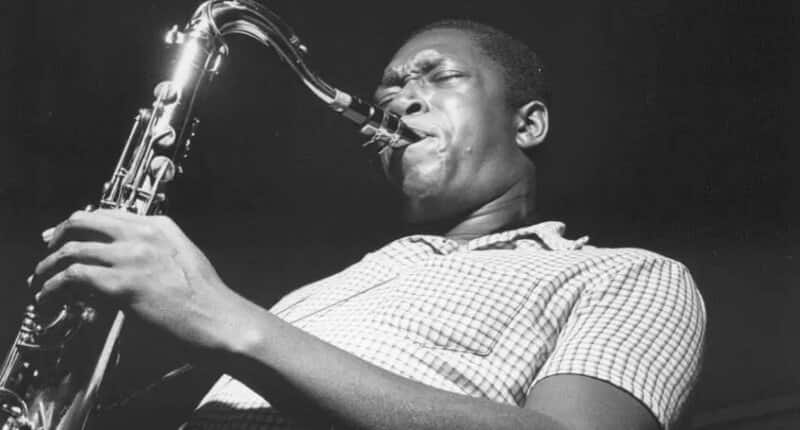
John Coltrane was a saxophonist and composer who was one of the most influential and innovative jazz musicians of the 20th century. Born in North Carolina in 1926, Coltrane started his career playing with big bands and as a sideman for other musicians, but it was his work as a leader that helped to establish his reputation. Coltrane was known for his virtuosity on the saxophone and his unique approach to harmony, rhythm, and improvisation.
His most famous recordings, such as “Giant Steps” and “A Love Supreme,” are considered masterpieces of jazz and have influenced countless musicians. Coltrane’s music was characterized by its intensity, spirituality, and emotional depth, and his search for new sounds and musical forms helped to push jazz in new directions.
In conclusion, these seven Black jazz musicians revolutionized the genre and helped to shape the course of music history. Their contributions to jazz continue to be felt today, and their music has inspired countless musicians across the globe. Jazz remains an important part of American culture, and these musicians are a testament to the power of music to unite, inspire, and transform.