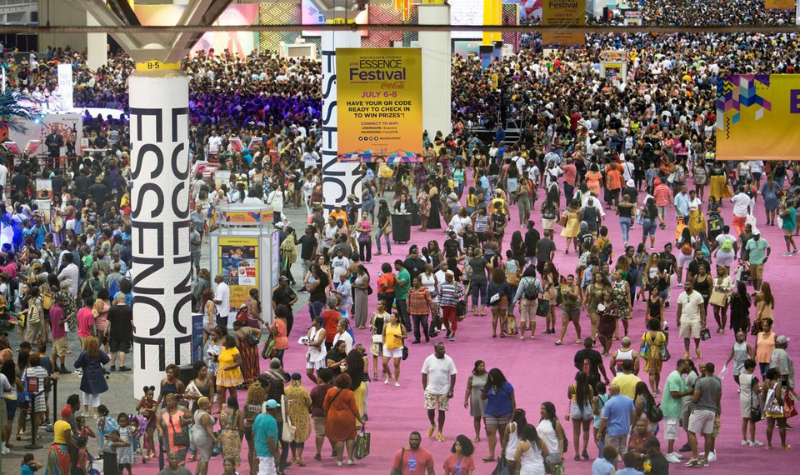

The Essence Festival of Culture, one of the largest celebrations of Black music, business, and empowerment in the United States, is facing questions following reports of an alleged outstanding debt owed to the Ernest N. Morial Convention Center in New Orleans.
According to Black America Web, officials claim there is an unresolved financial balance connected to past festival events. The reported debt has raised concerns about the future logistics of hosting the annual event in its longtime home city.
A Cultural Institution With Deep Roots
Since its launch in 1995, Essence Festival has become a cornerstone of Black cultural celebration, drawing hundreds of thousands of attendees to New Orleans each year over the Fourth of July weekend. The festival has historically generated significant tourism revenue for the city, supporting local businesses, hotels, restaurants, and vendors.
Over nearly three decades, the event has featured some of the biggest names in music, politics, and entrepreneurship while also creating space for conversations centered on Black women, economic empowerment, and civic engagement.
The Alleged Financial Dispute
Reporting from Black America Web indicates that convention center officials are seeking payment for what they describe as an outstanding balance tied to prior use of the facility. Specific financial figures have not been fully detailed in public statements, but the matter appears significant enough to prompt public discussion.
As of now, there has been no indication that the festival will be canceled or relocated, but disputes involving venue agreements can influence future planning decisions, particularly for events of this scale.
What’s at Stake for New Orleans
The Essence Festival is widely regarded as an economic engine for New Orleans. In previous years, city officials have credited the event with generating hundreds of millions of dollars in economic impact during its multi-day run. Any uncertainty surrounding venue agreements naturally raises concerns about potential financial implications for the city.
For the Black community nationwide, the festival represents more than entertainment. It is a platform for ownership conversations, political dialogue, networking, and cultural affirmation. That broader significance makes the stability of the event especially important.
Looking Ahead
Financial disputes between large-scale events and host venues are not uncommon, particularly in the post-pandemic era when many organizations are recalibrating contracts and operational costs. The key question moving forward will be whether both parties can reach a resolution that preserves the long-standing partnership between Essence Festival and New Orleans.
As additional details emerge, the situation will likely draw continued attention from both city officials and festival supporters who view the event as a vital institution within Black culture.