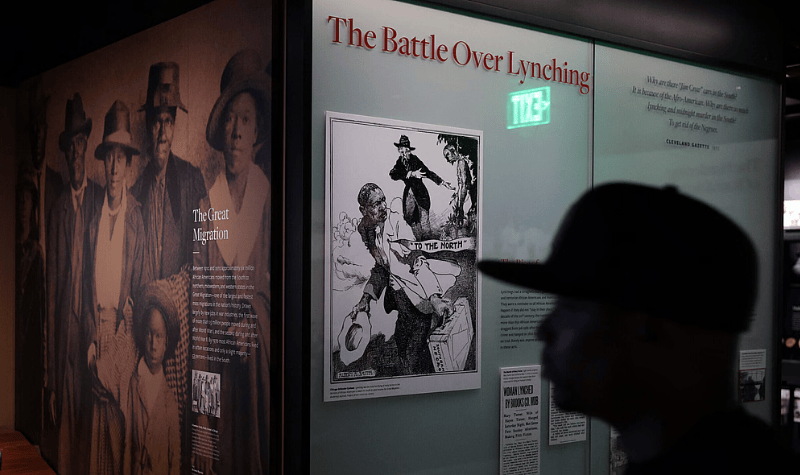

A new report is drawing national attention after finding that more than 70 suspected modern-day lynchings have occurred in the Deep South since 2000. The findings are renewing urgent conversations about racial violence, investigative transparency, and historical accountability.
According to coverage from TheGrio, researchers examined deaths across several Southern states that families and advocates believe were either improperly investigated or prematurely ruled as suicides or accidents.
A Troubling Pattern
The report outlines cases dating back to 2000 in which circumstances surrounding deaths raised concerns within affected communities. Advocates argue that some investigations lacked thorough review or failed to account for potential racial motives.
The term “modern-day lynching” has increasingly been used by civil rights activists to describe suspicious deaths of Black individuals that mirror the historical terror lynchings used to intimidate Black communities throughout the late 19th and early 20th centuries.
Historical Context Matters
Between the late 1800s and mid-1900s, thousands of documented lynchings occurred across the United States, particularly in Southern states. These acts were often public and intended to reinforce racial hierarchy through violence and fear.
While federal anti-lynching legislation was not formally enacted until 2022 with the Emmett Till Antilynching Act, advocates note that accountability for racially motivated violence remains an ongoing struggle.
Calls for Transparency and Justice
Families connected to several of the cases cited in the report continue to call for reopened investigations, independent reviews, and federal oversight where appropriate. Civil rights groups argue that without full transparency, trust between communities and law enforcement remains fragile.
The findings underscore a broader issue: racial violence is not simply a historical chapter. For many communities, questions about justice and protection remain present-day concerns.
What Happens Next
As the report circulates, legal advocates and policymakers may face increased pressure to review past cases and strengthen investigative standards. Whether the findings lead to reopened cases or new legislation remains to be seen, but the conversation surrounding racial justice and accountability continues.