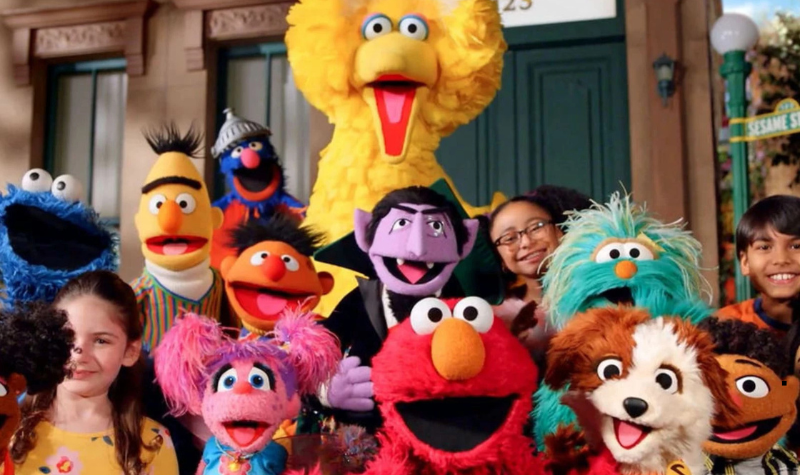

For Black History Month, Sesame Street is spotlighting the beauty and history of Black hair in a way only the iconic children’s program can—through music, storytelling, and joyful affirmation.
In a recent segment, the long-running educational series highlighted traditional Black hairstyles such as box braids, cornrows, and Bantu (often called Zulu) knots. The clip, created in partnership with Dove’s CROWN initiative, introduces young viewers to the cultural roots behind these styles while reinforcing an important message: Black hair is not just fashion—it’s identity, heritage, and pride.
More Than Just a Hairstyle
The segment explains that many natural hairstyles trace back centuries to African civilizations, where hair was used to signal tribe, social status, age, and even marital standing. Cornrows, for example, were not only artistic but practical, serving as a protective style and, in some cases, a coded system of communication during slavery.
By presenting this history in a child-friendly format, Sesame Street continues its legacy of cultural affirmation. The show has long been recognized for championing diversity and representation, including past moments like its beloved “I Love My Hair” song that celebrated natural beauty.
Why This Moment Matters
Hair discrimination remains a real issue in schools and workplaces across the United States. Legislation like the CROWN Act has sought to address biases against natural Black hairstyles, underscoring how something as personal as hair can become politicized.
That’s why representation at the earliest stages of childhood matters. When children see characters celebrating textured hair, braids, and coils, it normalizes what has historically been marginalized. It also reinforces confidence for young Black viewers who deserve to see themselves reflected positively in mainstream media.
A Cultural Conversation That Extends Beyond February
While the segment coincides with Black History Month, its impact stretches far beyond a single month of recognition. By educating children about the origins and significance of Black hairstyles, Sesame Street contributes to a broader conversation about cultural literacy and pride.
In a media landscape where visibility often fluctuates, moments like this remind viewers—young and old—that cultural heritage is worth celebrating every day.