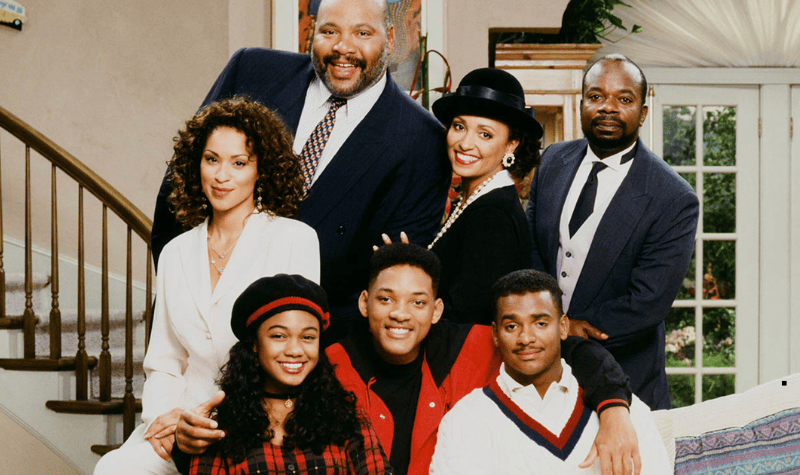

Black sitcoms have never been just about laughter. They have been cultural mirrors, economic engines, political classrooms, and generational glue. For decades, these shows have shaped how America sees Black families — and just as importantly, how Black families see themselves.
Television remains one of the most powerful storytelling mediums in the United States. According to Nielsen, representation on screen directly impacts audience engagement and perceptions of authenticity. Nielsen has also consistently reported that Black audiences consume television at higher rates than the national average, reinforcing how vital on-screen representation is within the Black community.
This comprehensive, evergreen guide explores the greatest Black sitcoms of all time — from trailblazing classics of the 1970s to the culturally nuanced comedies of today. We’ll examine not only the shows themselves, but the eras that shaped them, the economic stakes behind them, and the cultural influence they continue to hold.
The 1970s: Visibility After the Civil Rights Era
The Civil Rights Movement of the 1950s and 1960s reshaped American institutions — including television. By the early 1970s, networks began expanding programming that centered Black characters. While representation was still filtered through predominantly white-owned networks and executives, this decade marked the first sustained wave of Black-led sitcom success.
Sanford and Son (1972–1977)
Starring Redd Foxx as the sharp-tongued Fred Sanford, the show followed a father-son junk business in Los Angeles. Airing on NBC, it quickly became one of the network’s highest-rated comedies.
Sanford and Son portrayed working-class Black life at a time when such depictions were rare in prime time. While comedic, the show subtly addressed generational conflict, economic struggle, and dignity in blue-collar labor.
Good Times (1974–1979)
Created by Eric Monte and produced by Norman Lear, Good Times centered on the Evans family living in Chicago public housing. It addressed poverty, unemployment, racial discrimination, and systemic barriers.
Though often remembered for its comedic catchphrases, the show also tackled serious issues rarely explored in sitcoms at the time. Its portrayal of a two-parent Black household challenged negative stereotypes.
The Jeffersons (1975–1985)
A spinoff of All in the Family, The Jeffersons followed George and Louise Jefferson as they “moved on up” into a luxury Manhattan apartment. The show ran for 11 seasons — one of the longest-running sitcoms featuring a primarily Black cast.
It represented upward mobility and Black entrepreneurship during an era when such portrayals were rare. George Jefferson’s dry-cleaning business symbolized Black economic advancement in post–Civil Rights America.
The 1980s: Redefining the Black American Dream
The 1980s saw a strategic shift in representation. Instead of focusing primarily on working-class struggle, networks began showcasing upper-middle-class Black families. This change broadened the public image of Black success.
The Cosby Show (1984–1992)
Premiering in 1984, The Cosby Show followed the Huxtable family — led by Dr. Cliff Huxtable and attorney Clair Huxtable. At its peak, the show ranked No. 1 in Nielsen ratings for five consecutive seasons.
It demonstrated that Black families could be professional, educated, loving, and financially stable. The show influenced fashion, language, and even college enrollment trends, particularly among HBCUs.
While the legacy of its lead actor has since been clouded by controversy, the show’s cultural impact on television history remains significant.
A Different World (1987–1993)
Set at the fictional Hillman College, an HBCU-inspired institution, A Different World addressed issues such as apartheid, date rape awareness, HIV/AIDS, and Black identity politics.
The show aired during a period of renewed Black political consciousness in the late 1980s. It is widely credited with increasing HBCU applications during its run.
The 1990s: The Golden Era of Black Sitcoms
The 1990s represent a creative peak for Black sitcoms. New networks like FOX, UPN, and The WB aggressively pursued Black audiences, producing a wide range of culturally specific shows.
The Fresh Prince of Bel-Air (1990–1996)
Starring Will Smith, the show explored class differences between inner-city Philadelphia and affluent Bel-Air.
It blended comedy with emotionally resonant moments — particularly around fatherhood and belonging.
Martin (1992–1997)
Martin Lawrence brought physical comedy and character-driven humor to FOX audiences. The show became a staple of 90s Black pop culture.
Living Single (1993–1998)
Featuring Queen Latifah, Living Single centered on Black professionals navigating love and career in Brooklyn.
The show emphasized Black female friendship and entrepreneurship.
Family Matters (1989–1998)
Originally a spinoff of Perfect Strangers, Family Matters evolved into a family-centered sitcom led by the Winslows. Steve Urkel became one of television’s most recognizable characters.
The 2000s: Expansion and Layered Storytelling
By the 2000s, Black sitcoms diversified in tone and subject matter, blending traditional humor with more layered narratives.
Girlfriends (2000–2008)
This series chronicled the lives of four successful Black women balancing relationships and careers. It became one of UPN’s longest-running shows.
The Bernie Mac Show (2001–2006)
Starring Bernie Mac, the show broke the fourth wall and depicted unconventional parenting.
My Wife and Kids (2001–2005)
Led by Damon Wayans, the show portrayed upper-middle-class suburban Black life with comedic sharpness.
The 2010s–Present: Creative Renaissance
Black-ish (2014–2022)
Created by Kenya Barris, the show tackled police brutality, election politics, and generational identity.
Insecure (2016–2021)
Created by and starring Issa Rae, Insecure authentically portrayed millennial Black professional life.
Abbott Elementary (2021– )
Created by Quinta Brunson, this workplace comedy spotlights public school teachers and has earned multiple Emmy Awards.
Why Black Sitcoms Matter Economically
Television advertising remains a multibillion-dollar industry. According to Nielsen, inclusive programming drives brand trust and audience engagement.
When Black sitcoms succeed, they generate:
- Production jobs for writers and actors
- Syndication revenue
- Cultural influence beyond television
Conclusion: More Than Laughter
The greatest Black sitcoms of all time are not simply entertainment milestones. They are archives of Black life across generations.
From Sanford and Son to Abbott Elementary, these shows reflect evolving realities while preserving cultural humor and resilience.
Call to Action: Rewatch a classic this month. Introduce a younger generation to a 90s favorite. Support current Black-led productions. Because representation isn’t nostalgia — it’s power.